
Murrybowl journal
Slow Feeder Bowls for Pugs: What to Look For
A practical way to decide whether a slow feeder suits your Pug, with clear signs to watch during ordinary meals.

A slow feeder can be a useful tool for a Pug who finishes a normal meal in a rush. It is not automatically the right answer for every eager eater, and a complicated maze is not automatically better. The useful question is simple: can your Pug still reach the food comfortably while the meal becomes a little more deliberate?
For flat-faced pets, the inside shape matters. Tall pegs, tight channels, and deep corners can turn dinner into an awkward puzzle. This guide helps you decide whether to try a slow feeder, what to look for, and when a simpler, open feeding surface is likely the better fit.
First, decide whether speed is really the problem
A fast meal can look dramatic, especially with a Pug. Before shopping for a new bowl, take a quiet minute to watch the familiar routine. Is your pet simply enthusiastic, or are they consistently finishing so quickly that you want a more engaging pace? A slow feeder is most useful when the goal is to add a manageable bit of work to a meal your pet already enjoys.
Keep the observation practical. Notice how your Pug approaches the food, whether the dish moves, where food ends up, and whether the meal feels rushed from start to finish. Do not change the food, feeding location, portion, and bowl all at once. One clear change makes it much easier to judge what helps.
- A good reason to explore a slow feeder: Your Pug regularly races through a measured meal and remains interested in working for food.
- A reason to pause: Your Pug already eats comfortably at a normal pace or struggles to reach food in the current bowl.
- A reason to call the veterinarian: Repeated vomiting, coughing, gagging, trouble swallowing, breathing changes, or a sudden appetite change are not bowl-shopping problems.
That distinction matters. A bowl can shape the mechanics of an ordinary meal. It cannot diagnose, treat, or replace care for a medical concern.
What the evidence says about slow feeders
Slow feeders are widely marketed with big promises. The most defensible benefit is the most modest one: they can slow the rate at which a dog eats. A small study summarized by Veterinary Evidence found that dogs ate more slowly from a go-slow feeder than from a regular bowl. The same work also reported that dogs became quicker as they gained experience with the device, and it did not establish that every health claim attached to slow feeding was true.
That is a useful way to set expectations. A slow feeder may create a different pace and a little more mealtime engagement. It should not be sold as a guarantee against bloat, vomiting, digestive problems, or any condition. Those are health questions for a veterinarian, especially if something about your Pug’s eating has changed.
The right standard is not how clever the maze looks on a product page. It is whether your Pug can work through a normal measured meal without frustration, while you can still keep the setup clean and practical.
Choose open routes, not a difficult maze
Most slow feeders are designed around ridges, channels, or small compartments that make food take longer to gather. For a Pug, avoid treating difficulty as the goal. A short muzzle has less room to work inside a tall, narrow maze, and a pattern that looks amusing to a person can leave food in places your pet cannot easily reach.
Look for low-profile features with broad, visible routes between them. Food should stay in approachable areas instead of dropping into deep pockets. A useful pattern creates a gentle pause between bites, not a barrier that makes your Pug paw at the bowl, shove it around, or walk away before finishing.
Shape also depends on the meal. Dry kibble can roll into tight corners. Wet food can smear across a complicated pattern and make cleanup harder. If you switch between dry, wet, or mixed meals, assess the bowl with the food you actually serve rather than assuming one layout works for every dinner.
Keep the portion and base in the decision
A slow feeder does not replace measured feeding. Cornell’s veterinary guidance notes that accurately measuring meals matters, particularly when a pet’s weight is being managed. Use the portion your veterinarian or feeding plan recommends, then choose a bowl that holds that amount without scattering it across an oversized surface. A slow feeder can change how a meal is presented, not how much food your Pug needs.
Stability matters too. An enthusiastic Pug can turn a lightweight feeder into something that slides, spins, or tips. Place the empty bowl in the usual feeding spot and give it a gentle nudge. A broad, weighted base makes more sense than relying only on a maze pattern or a small strip of rubber underneath.
Keep food and water decisions separate. A slow feeder designed for a portioned meal is not automatically the best water bowl. Give water its own clean, easy-to-reach place and choose the food setup around the meal you are trying to make more manageable.
Introduce a new feeder without changing everything else
Once you have chosen a slow feeder, introduce it with familiar food in the usual spot. This is not a test your Pug needs to pass. It is a chance to see whether the surface is workable for the pet in front of you. Keep the first few meals ordinary so the bowl is the only real variable.
- Start with a familiar measured portion. Do not add new toppers or change foods at the same time.
- Watch the first few minutes. Look for a clear approach, food that stays accessible, and a bowl that remains settled.
- Notice frustration early. Repeated pawing, walking away, whining, or food left trapped in the pattern are signs to simplify the setup.
- Check the floor and the bowl after dinner. A little extra time is fine. A messier routine or a bowl that takes too much effort to wash is useful feedback.
A better feeding tool should make the routine more manageable for both of you. If it creates a battle at every meal, it is not the right fit, even if the product is marketed for fast eaters.
Common slow-feeder mistakes to avoid
The first mistake is assuming that a Pug needs the hardest pattern available. A bowl with taller ridges or tighter channels may slow a meal, but it can also make food inaccessible. Start with the most open pattern that still adds a little pause, then let your pet’s behavior tell you whether it is a workable choice.
The second mistake is using a slow feeder to solve every feeding concern. If the real issue is an oversized portion, a slippery base, food pushed into a deep rim, or a sudden change in how your Pug eats, adding a maze does not address the cause. A measured portion, a stable location, and an open approach to food are the basic checks worth making first.
The third mistake is ignoring the cleanup. Food can collect around ridges and seams, especially with wet food. If you cannot easily see where food is left, reach it with a brush or sponge, and wash the surface after use, the bowl may not suit your daily routine. A feeding tool should be simple enough to keep clean consistently.
Finally, avoid treating a slow feeder as a permanent test of patience. Your Pug may learn a pattern and eat faster over time. That does not mean you need to keep escalating to a more difficult maze. Reassess the ordinary meal: your pet’s comfort, access to food, portion, and the ease of the routine are more useful measures than a stopwatch.
Make cleaning part of the choice
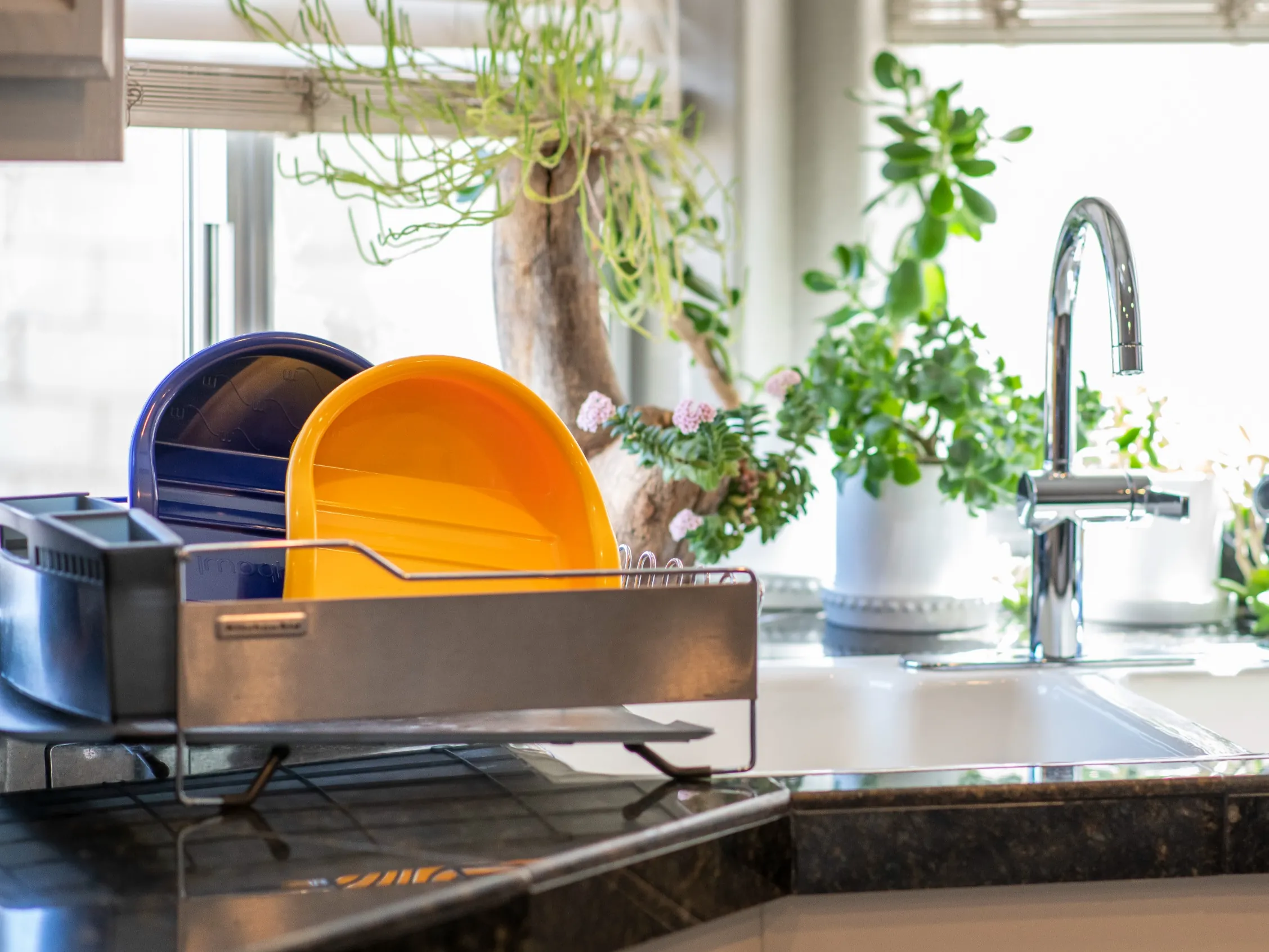
Food-contact surfaces need attention, especially when wet food or toppers are involved. The FDA recommends washing pet food bowls and measuring utensils with soap and hot water after each use. That makes an easy-to-wash surface more than a nice extra. It is part of whether the feeding routine is realistic day after day.
Look for a feeder you can inspect, lift, wash, and dry without wrestling food out of hidden creases. If the bowl comes with removable parts, make sure the seams are straightforward to rinse and reassemble. A complex design that sits dirty in the sink is not helping anyone.
Murrybowl takes a different approach from a deep maze. Its open, floor-level feeding surface uses slopes, spoon-like angles, fork-like ridges, and texture to give food several accessible places to gather. The 4.12-pound base helps the bowl stay settled, and two removable, dishwasher-safe inserts make it easier to keep a clean surface ready for the next meal.
When an open feeding surface may be the better choice
Some Pugs do not need a slow feeder. If your pet already eats at a comfortable pace, can reach their food, and finishes a normal measured portion without obvious frustration, a simple open bowl may be more useful. That is not settling for less. It is choosing the tool that matches the meal.
An open surface can also be the better option for a Pug who finds maze features distracting or difficult. Murrybowl was designed for small and medium flat-faced pets, including Pugs, with an open approach to food rather than a tall, tight puzzle. Pet parents can compare the feeding surface on Why Murrybowl Works, explore the Original Murrybowl, and review the 30-day satisfaction guarantee before deciding whether it fits their Paw Pal.
A quick slow-feeder checklist for Pugs
- Does my Pug need a slower pace, or a simpler feeding surface?
- Are the routes to the food low and open enough for a short muzzle?
- Does the bowl fit the measured portion I normally serve?
- Will it stay settled on the floor where my Pug actually eats?
- Can I wash it easily after the food I actually serve?
- Does my Pug remain interested and able to finish the meal without frustration?
The best slow feeder for a Pug is not necessarily the most elaborate one. It is the one that offers a manageable pace while keeping food accessible, the bowl stable, and the everyday routine easy to maintain.
Frequently asked questions
Are slow feeder bowls good for Pugs?
They can be useful when a Pug consistently races through a familiar meal and can still reach the food comfortably. The pattern should be open enough for a short muzzle, and the bowl should not leave your pet pawing, walking away, or unable to finish a normal portion.
What kind of slow feeder is best for a Pug?
Look for low, open routes to the food rather than tall pegs or tight maze walls. A stable base, a capacity that suits the measured meal, and a surface that is practical to wash matter just as much as the feeding pattern.
How do I introduce a slow feeder to my Pug?
Use your Pug’s regular food, portion, and feeding spot for the first few meals. Start with a small familiar serving, watch quietly, and make sure your pet can locate and gather the food without obvious frustration.
Will a slow feeder solve vomiting or breathing concerns?
No. A slow feeder is an everyday feeding tool, not a medical treatment. Repeated vomiting, coughing, gagging, difficulty swallowing, breathing changes, or a sudden change in appetite should be discussed with your veterinarian.
Related posts

Brachycephalic Dog Bowls: What to Look For
A practical buying guide for Frenchies, Pugs, Bulldogs, and other flat-faced Paw Pals.
Read article
Best Dog Bowls for Pugs: A Practical Buying Guide
What Pug pet parents should look for in a bowl, and why an open, stable feeding surface can make everyday meals easier.
Read article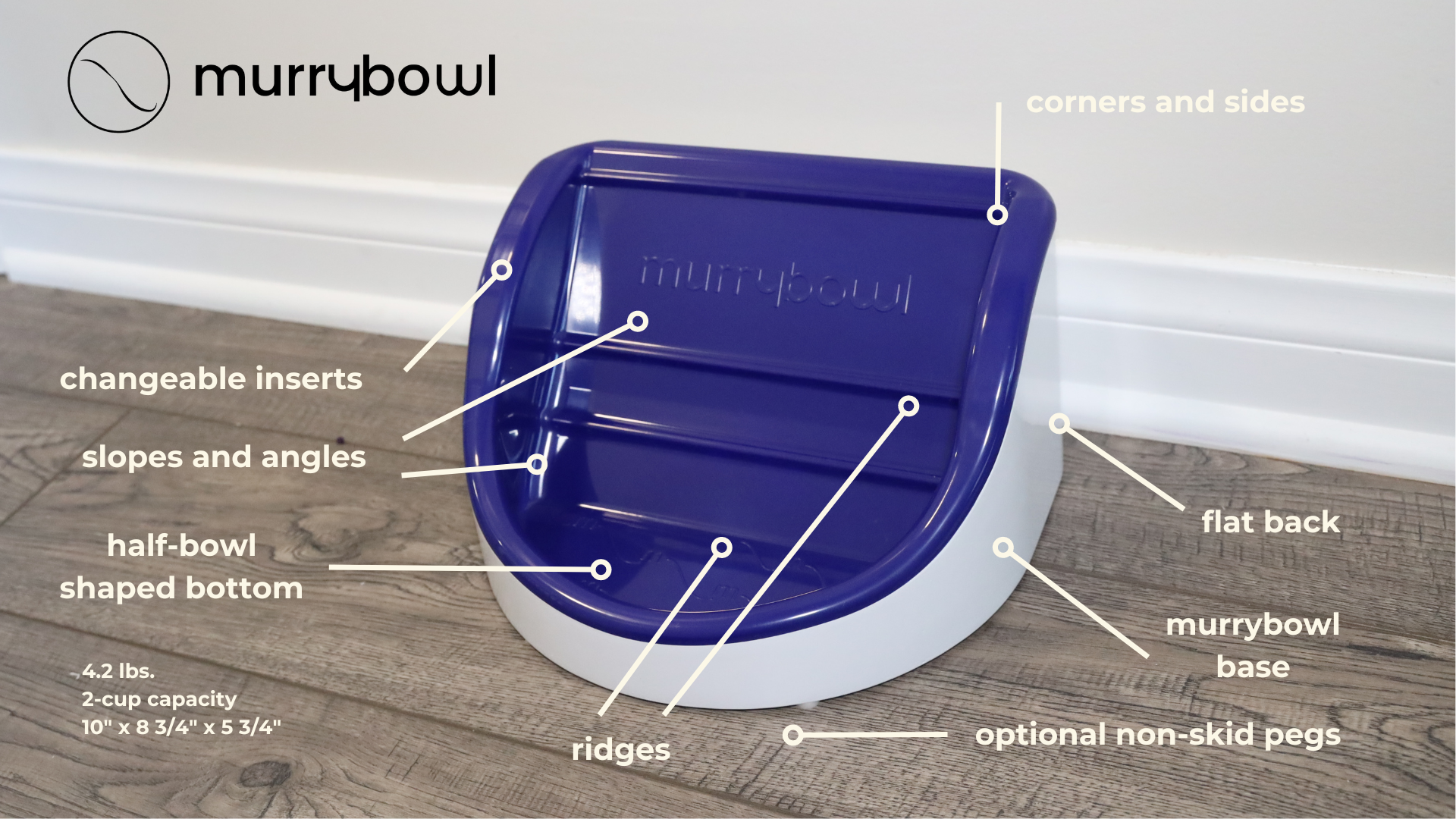
Best Dog Bowls for French Bulldogs: What to Look For
A practical guide to choosing an open, stable, easy-care feeding bowl for a French Bulldog’s everyday meals.
Read article