
Murrybowl journal
Best Water Bowl for English Bulldogs: What Matters
What English Bulldog pet parents should look for in a clean, steady water bowl, without treating a simple drinking setup as a cure-all.

The best water bowl for an English Bulldog is usually the one that makes fresh water easy to reach, stays where you put it, and is simple enough to wash every day. That sounds ordinary because it is. A water bowl does not need a dramatic promise to earn a place in your home. It needs to suit the Bulldog in front of you and the routine you can keep.
English Bulldogs are individuals. Some drink neatly, some leave a cheerful trail across the kitchen, and some push a light dish around before they settle in. Rather than choosing a bowl because it claims to fix posture, digestion, or breathing, start with a calm observation of one normal drink. This guide helps you choose around access, stability, capacity, and cleanup, then shows when a veterinarian should guide the decision.
Begin with how your English Bulldog actually drinks
Before buying anything new, notice the simple details. Does your Bulldog walk straight to the bowl, drink, and move on? Does the bowl slide across tile? Is the water gone sooner than expected because it has splashed onto the floor? Does a deep rim seem to get in the way, or is the real problem simply a too-light bowl? A familiar drink gives better information than a product description.
Fresh water should always be available. The Bulldog Club of America's care guidance also recommends a heavy, wide-based bowl to reduce accidental spills. That is a practical starting point, not a prescription. Your home, flooring, bowl location, and individual pet all affect what works.
Four details worth checking before you buy
1. An easy approach
Look for a bowl your pet can reach without repeated circling, backing away, or knocking it over. A wide opening can make it easier to see the water and clean the inside. There is no single “correct” depth or height for every English Bulldog, so let your own pet's relaxed, ordinary drinking be the test.
2. A base that stays put
A broad footprint, enough weight, and a non-slip underside can make a drinking station less likely to travel across a smooth floor. If splashes are the concern, a waterproof mat beneath the bowl may solve more than an elaborate bowl design. Keep the area easy to wipe, and make sure the mat itself does not curl or create a tripping edge.
3. Capacity that fits the routine
Choose a capacity that leaves enough fresh water available between your regular checks without making the bowl awkward to lift, wash, and refill. A very large bowl can sound convenient, but it still needs to be emptied and cleaned. For a multi-pet home, separate drinking stations can make it easier to notice whether one pet is avoiding water or drinking differently than usual.
4. Cleanup you will actually keep up with
The CDC recommends cleaning water bowls every day, and says ordinary cleaning is enough for most pet items. Its pet-supply cleaning guidance explains that bowls can be washed in the sink or, when labeled dishwasher-safe, in the dishwasher. A simple bowl with accessible surfaces is often the practical winner because it makes that daily rhythm easier to maintain.
Material matters less than a clean routine
Stainless steel, ceramic, and sturdy food-safe plastic can all be workable when they are intact, stable, and easy to wash according to the maker's instructions. Inspect any bowl regularly. Replace it if it develops cracks, chipped coating, sharp edges, or a surface that no longer cleans well. If you choose a bowl with a floating disk, spill guard, or other insert, make sure every piece comes apart easily enough to rinse and dry properly.
For the actual cleaning, the FDA advises washing pet bowls with soap and hot water after each use. Its safe pet-food handling advice is especially useful when the same area is used for meals. Rinse thoroughly, dry when appropriate, and refresh the water instead of just topping up a bowl that has been sitting out.
Raised, tilted, and no-spill bowls: what they can and cannot decide
Specialty water bowls can be worth considering when they solve a visible household problem. A no-spill insert may help contain enthusiastic splashing. A heavier bowl can help on slick flooring. A stand can place the bowl where it is easier for you to refill. Those are practical tradeoffs, and there is nothing wrong with testing a setup that fits your home.
What these features cannot do is diagnose or treat a health concern. Do not assume that a raised, tilted, slow-drinking, or floating bowl is automatically better for every Bulldog. If your pet coughs, gags, regurgitates, struggles to drink, has a breathing change, or suddenly changes their water intake, keep fresh water available and ask your veterinarian for individual guidance. A product choice should not delay care.
Match the solution to the mess you can see
“Messy drinker” can mean several different things, and they do not all need the same answer. Water around the bowl may come from a dish that slides, a water level that is filled too high, a pet who drips after drinking, or a station placed in a busy route through the kitchen. Watch where the water ends up before assuming a specialized bowl is the only answer.
If the bowl itself moves, begin with stability: a wider base, a heavier bowl, or a mat that grips the floor. If the bowl remains steady but the floor catches normal drips, a washable mat with room around the bowl is often the simpler fix. If a guard or floating insert seems right, test whether your Bulldog can still drink normally and whether you can clean every part without skipping the daily wash. The best feature is the one that solves the specific problem without creating a new cleaning problem.
Do not make a water station too restrictive in the name of keeping floors dry. Fresh water needs to remain easy to access. A design that slows splashing but leaves your pet hesitant, frustrated, or unable to drink comfortably is not a good trade. When in doubt, return to a simple, clean bowl and talk with your veterinarian about any concern that seems to be more than ordinary household mess.
Use the first week as a fit check
A bowl can look ideal on a shelf and still be wrong for your home. Give a new water bowl several ordinary days in the same familiar spot. Keep the water fresh, do not change food or the whole feeding area at the same time, and check in at normal moments rather than hovering over every sip. That makes it easier to see whether the bowl is contributing something useful.
- Access: Your Bulldog walks up and drinks without obvious hesitation or repeated repositioning.
- Stability: The bowl stays settled during normal drinking instead of skidding, tipping, or chasing your pet across the floor.
- Freshness: You can tell at a glance when the water needs attention and can empty, wash, and refill the bowl without putting it off.
- Cleanup: The setup keeps the everyday amount of water and debris manageable, without hidden parts that become a chore.
If the new bowl does not pass those simple checks, the answer may be a different location or a plainer design, not more features. It is fine to choose an uncomplicated bowl that your pet uses naturally and that you can care for consistently. A routine that lasts is more valuable than a product that sounds clever but sits unused.
Small routines that keep water more dependable
Put checking the water into the moments that already happen every day, such as the first kitchen visit, a meal, or the evening reset. Empty rather than merely topping up when it is time to clean. This lets you look at the bowl, water, and surrounding floor together, which is far more useful than waiting until something smells off or looks visibly dirty.
Keep the bowl away from cleaning chemicals, hot appliances, and places where it can be kicked or bumped. If your home has more than one floor or a pet spends time in a crate or enclosed room, an additional bowl can be practical. It still needs the same fresh-water and cleaning routine. More stations should make access easier, not make it harder to keep track of what has been washed and refilled.
For puppies, older pets, or a dog whose normal habits have changed, pay closer attention to the drinking routine. The bowl is a useful observation point, but it is not a diagnostic tool. If something feels different, note what you have seen and share it with your veterinarian rather than trying to solve it by cycling through water-bowl designs.
Set up a water station that is easy to live with
- Pick a calm, repeatable place.Choose a spot away from heavy foot traffic where the bowl will not be bumped constantly. Keeping the station consistent helps you notice when the water level or your pet's habits change.
- Use the bowl with fresh water for a few ordinary days.Watch whether your Bulldog approaches it comfortably, whether the bowl stays put, and how much cleanup the station really needs.
- Adjust one thing at a time.If the bowl slides, try a non-slip mat or heavier base. If splashing is the issue, choose a wider station or spill-control feature. Changing everything at once makes it harder to see what helped.
- Build cleaning into the same daily rhythm.Empty, wash, rinse, and refill. A second simple water bowl can make this easier while the first one is drying.
Keep food and water decisions separate
A water bowl has one job: make fresh water available in a clean, steady place. A food bowl has a different job: give a pet a useful surface for a normal meal. Keeping those choices separate helps avoid buying a complicated all-in-one setup when the real need is a reliable water station and a better feeding surface.
Murrybowl is designed for food, not as a water bowl. For an English Bulldog's meals, its open, floor-based feeding surface, food-guiding slopes and ridges, 4.12-pound base, and two dishwasher-safe inserts offer a distinct way to assess the food side of the routine. Pet parents can compare those details on the English Bulldog bowl page, see the design explained, or review the Original Murrybowl when they are deciding whether it fits their Paw Pal.
The most useful water bowl is the one you can maintain
For most English Bulldog households, the best answer is refreshingly plain: fresh water, a stable bowl, a sensible location, and a cleaning habit that lasts. Start there. Then add a spill-control feature, different capacity, or second station only when it solves a problem you can actually see. That keeps the focus where it belongs, on a comfortable everyday routine for your pet.
Frequently asked questions
What type of water bowl is best for an English Bulldog?
Start with a clean, stable bowl that your Bulldog can approach comfortably and that holds enough fresh water for the routine you can maintain. The right size, material, and shape depend on your individual pet, floor, and cleaning habits.
Should an English Bulldog use a raised water bowl?
Not automatically. A raised water bowl is not a universal requirement, and a water bowl should not be treated as a medical solution. Choose a setup that lets your pet drink comfortably and stays settled in the usual spot. Ask your veterinarian for advice about individual drinking, swallowing, breathing, or regurgitation concerns.
How often should I clean an English Bulldog's water bowl?
The CDC recommends cleaning water bowls every day. Wash with soap and warm water, rinse well, and refill with fresh water. If the bowl is labeled dishwasher-safe, follow its care instructions.
What if my English Bulldog suddenly drinks much more or less water?
A sudden change in drinking is not a bowl-shopping problem. Keep fresh water available and contact your veterinarian, especially if the change comes with a change in appetite, energy, urination, vomiting, or behavior.
Related posts

Flat Faced Dog Breeds: Mealtime Challenges and Bowl Tips
Does your flat-faced pup turn dinner into a mess? Learn why Pugs, Frenchies and other short-snouted pets struggle with ordinary bowls, and how to find one made for the face they were born with.
Read article
Best Water Bowl for Pugs: What to Look For
A practical guide to choosing a clean, steady water bowl for your Pug, with everyday details that make fresh water easier to keep available.
Read articleBest Water Bowl for French Bulldogs: What to Look For
A practical guide to choosing a clean, stable water bowl for your Frenchie, without turning a simple drink into a complicated setup.
Read article
Slow Feeder Bowls for French Bulldogs: What to Look For
A practical guide to deciding whether a slow feeder fits your Frenchie, and how to choose one that keeps food reachable.
Read article
Slow Feeder Bowls for Pugs: What to Look For
A practical way to decide whether a slow feeder suits your Pug, with clear signs to watch during ordinary meals.
Read article
Brachycephalic Dog Bowls: What to Look For
A practical buying guide for Frenchies, Pugs, Bulldogs, and other flat-faced Paw Pals.
Read article
Best Dog Bowls for Pugs: A Practical Buying Guide
What Pug pet parents should look for in a bowl, and why an open, stable feeding surface can make everyday meals easier.
Read article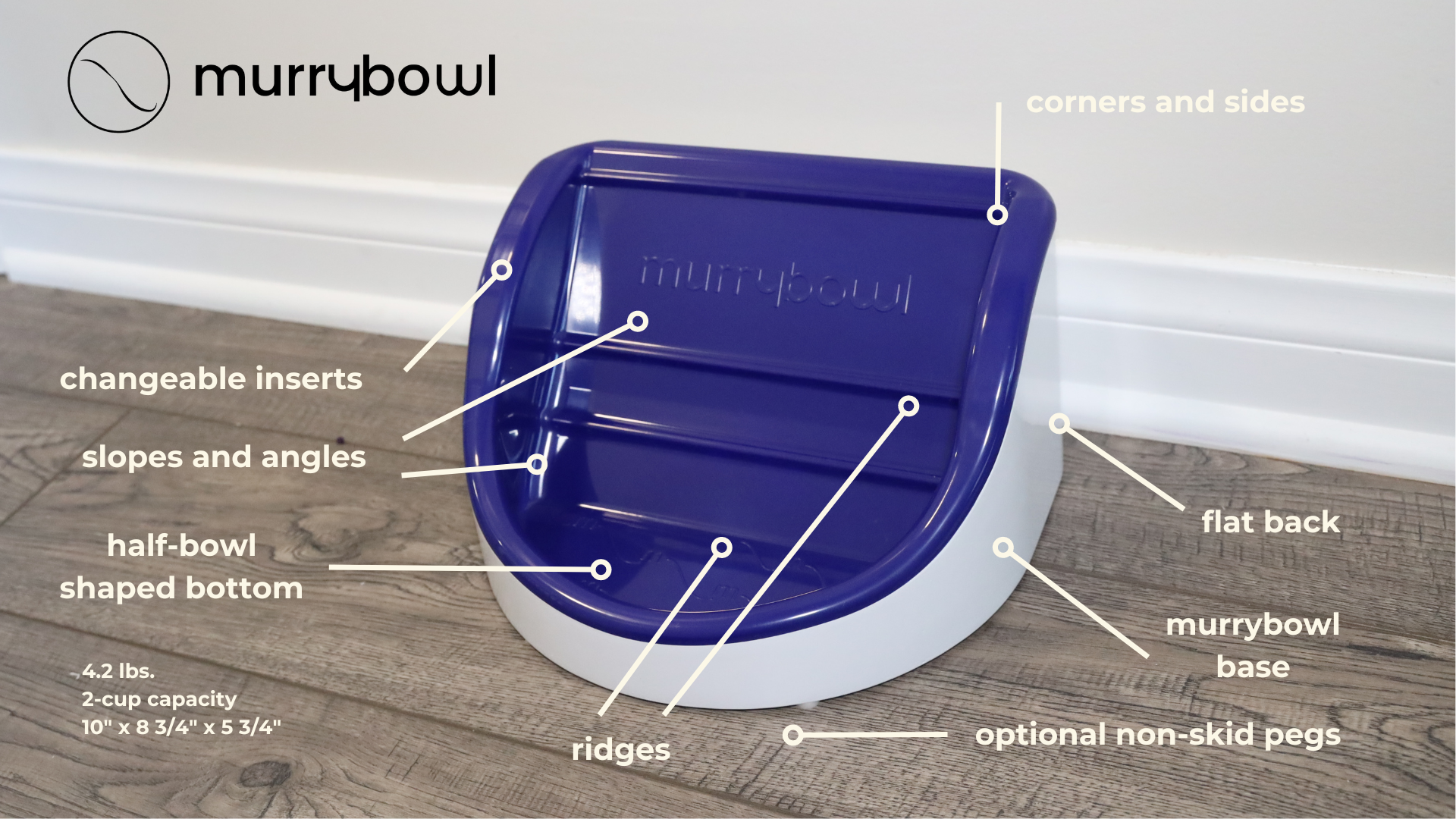
Best Dog Bowls for French Bulldogs: What to Look For
A practical guide to choosing an open, stable, easy-care feeding bowl for a French Bulldog’s everyday meals.
Read article