
Murrybowl journal
Flat Faced Dog Breeds: Mealtime Challenges and Bowl Tips

If you share your home with a Pug, Frenchie or Shih Tzu, you probably know the dinnertime drill. The bowl skids across the floor, kibble flies everywhere, and your little snorter works so hard for every bite. Flat faced dog breeds have short muzzles that change the way they pick up food, so when your pup struggles at mealtime, the shape of their bowl can make it harder for them to reach their food. Lots of ordinary round bowls just weren't made with those squishy faces in mind.
What this article covers
- What Brachycephalic Means and How to Spot It
- Flat-Faced Dog and Cat Breeds
- How Skull Shape Changes the Way a Dog Eats
- What to Look For in a Feeding Setup
- Murry and the Bowl We Built Around Him
- Everyday Gear for Flat-Faced Breeds
What Brachycephalic Means and How to Spot It
Brachycephalic is the vet term for a short skull and muzzle. In everyday words, it means a dog or cat with that adorable pushed-in face, where the nose sits close to the eyes, the jaw is short and the front of the face is broad and fairly flat.
The easiest way to tell is to look at your pet from the side. A long-nosed dog has a clear snout sticking out in front, while a brachycephalic pup's nose barely sticks out past their forehead. Face shapes vary within breeds, and mixed breeds can have short muzzles too. If you're not sure where your furbaby fits, or you've noticed any breathing or chewing worries, have a chat with your vet.

Flat-Faced Dog and Cat Breeds
Here are some of the best-known flat-faced breeds, our favorite Paw Pals:
- Pugs
- French bulldogs
- Boston terriers
- Shih tzus
- English bulldogs
- Some boxer lines
- Brussels griffons
- Pekingese
- Persian and Exotic Shorthair cats
Breed is a good starting point, but your own pet's face and eating habits tell you the most. One Pug might have a much shorter muzzle than another, and plenty of Boxers eat from an ordinary bowl without any fuss. Flat-faced pets bring so much personality, love and snorty happiness into our homes, so they deserve a setup that fits them.

How Skull Shape Changes the Way a Dog Eats
A dog with a long snout can dip into a bowl and scoop food up with their mouth. A flat-faced pup doesn't have the same reach, and their nose often hits the food at the same moment as their mouth. Some flat-faced pets get around it by licking and pushing to gather each bite. If you tried eating out of a bowl with no hands, you'd be just as messy!
When a pup who pushes eats from an ordinary round bowl with smooth sides, they end up nudging the food away from their mouth instead of toward it. Kibble slides to the edges, gets stuck in spots they can't reach or spills over the rim. Light bowls spin and skid across the floor as your pup leans in, and before you know it, dinner is halfway across the kitchen.
It's messy for you and frustrating for them, and some pups give up before they finish. Often, your pup is struggling with the shape of the bowl. That said, if your dog refuses food, coughs or gags while eating, or loses weight, please check in with your vet, because those signs need more than a new dish.

What to Look For in a Feeding Setup
When you're choosing a bowl for your flat-faced furbaby, ask yourself these questions:
- Can your pet reach their food? Look for a shape inside the bowl that guides food toward their mouth, so it doesn't spread out.
- Does the bowl stay put? A heavy, stable base stops the sliding and spinning.
- Is it the right size? The bowl should suit your pet's body and face.
- Does it work with their food? Think about whether you feed wet food, dry food or both.
- Is it easy to clean? You'll be washing it every day, so make it easy on yourself.
Murry and the Bowl We Built Around Him
Our story starts with Murry, a little black Pug who arrived as a Christmas Eve surprise (his name comes from "merry"). From day one, he couldn't eat from a single bowl we bought. Every one of them spun or slid across the kitchen floor, and his food went flying. We searched everywhere, but we couldn't find a bowl that worked the way we wanted for Murry, so we decided to make one ourselves.
We bought some clay and started shaping it around the way Murry moved his face and tongue as he ate, and then we tested, tweaked and tested again for years. That became Murrybowl, a patented bowl that sits on the floor and is shaped for the way short-snouted pets eat. Our rescue Frenchie, Jack, who was abandoned during COVID, became our second taste tester, and today, mealtimes at our house are a lot less messy.

A Utensil-Inspired Interior
The idea came from something you use every day, a plate, fork and spoon. Inside the bowl, the ridges work like a fork, so your pup has something to press their food against, and the angles work like a spoon, so they can scoop. The sloped, plate-like area has plenty of room for them to lick and gather their food, so it's easier for them to eat and less ends up on your floor.
A Weighted Base and Two-Color Inserts
Murrybowl sits on a heavy, powder-coated cast-aluminum base, so your dog does a lot less chasing their dinner across the floor. It has a flat back, so it sits snugly against a wall or cabinet, plus optional non-skid pegs for extra grip on slippery floors. We chose blue and yellow inserts with canine color vision in mind. Researchers have found that dogs can use color cues to identify objects linked to food, and one study of free-ranging dogs in India found that they preferred yellow bowls. Color is one part of our approach, alongside the bowl's shape and stability. Each food-grade ABS plastic insert holds up to two cups of wet or dry food.
Use one insert for breakfast and the other for dinner. Clean the inserts every day, by hand or in the dishwasher, and wipe the base down whenever it needs it. Murrybowl is made for small and medium flat-faced pets, not large or giant breeds, and every pet takes to it a little differently.
To introduce your pup to their new bowl, offer a piece of food from your hand, then a second piece with your hand closer to the bowl. On the third try, pop the food in the bowl and let them eat on their own, then give them lots of praise. Repeat as often as you need to, and soon they'll be tucking in like a pro.
Everyday Gear for Flat-Faced Breeds
Mealtime is only one part of your pup's day, and the same idea works everywhere else too, so choose gear that suits your dog's shape and comfort. Lots of flat-faced dogs do better in a harness on walks, because a harness keeps pressure off their neck and throat, and Pink Papyrus has the prettiest dog harnesses and hands-free dog leashes for those daily strolls. Flat-faced pups can overheat quickly, so keep warm-weather walks short and shady. Have a chat with your vet about what's best for your dog's breathing and build, and with a few small changes to the bowl, the walk and the routine, everyday life gets so much easier for both of you.
And if mealtime is still a struggle at your house, come explore Murrybowl and see whether it's a good fit for your flat-faced furbaby.

Frequently asked questions
Is Murrybowl a good fit for a large flat-faced dog?
Murrybowl is made for small and medium flat-faced pets, so it isn't the right fit for large or giant breeds. If you have a bigger pup, use the same checklist (reach, stability, size and food type) to find a bowl that suits their size.
What if my dog eats more than two cups per meal?
Each insert holds up to two cups, so you can serve a bigger meal in two rounds and top it up once the first round is finished. Your vet can tell you exactly how much your dog should eat each day.
Can the aluminum base go in the dishwasher?
No, only the inserts go in the dishwasher. Wipe the base with a damp cloth whenever it needs it.
Will it work for a Persian cat?
It may be a good fit. Persians have flat faces too, and Murrybowl is shaped for short-snouted pets, cats included. Every kitty is a little different, so watch how your cat gathers their food for the first few meals.
Related posts

Best Water Bowl for Pugs: What to Look For
A practical guide to choosing a clean, steady water bowl for your Pug, with everyday details that make fresh water easier to keep available.
Read articleBest Water Bowl for French Bulldogs: What to Look For
A practical guide to choosing a clean, stable water bowl for your Frenchie, without turning a simple drink into a complicated setup.
Read article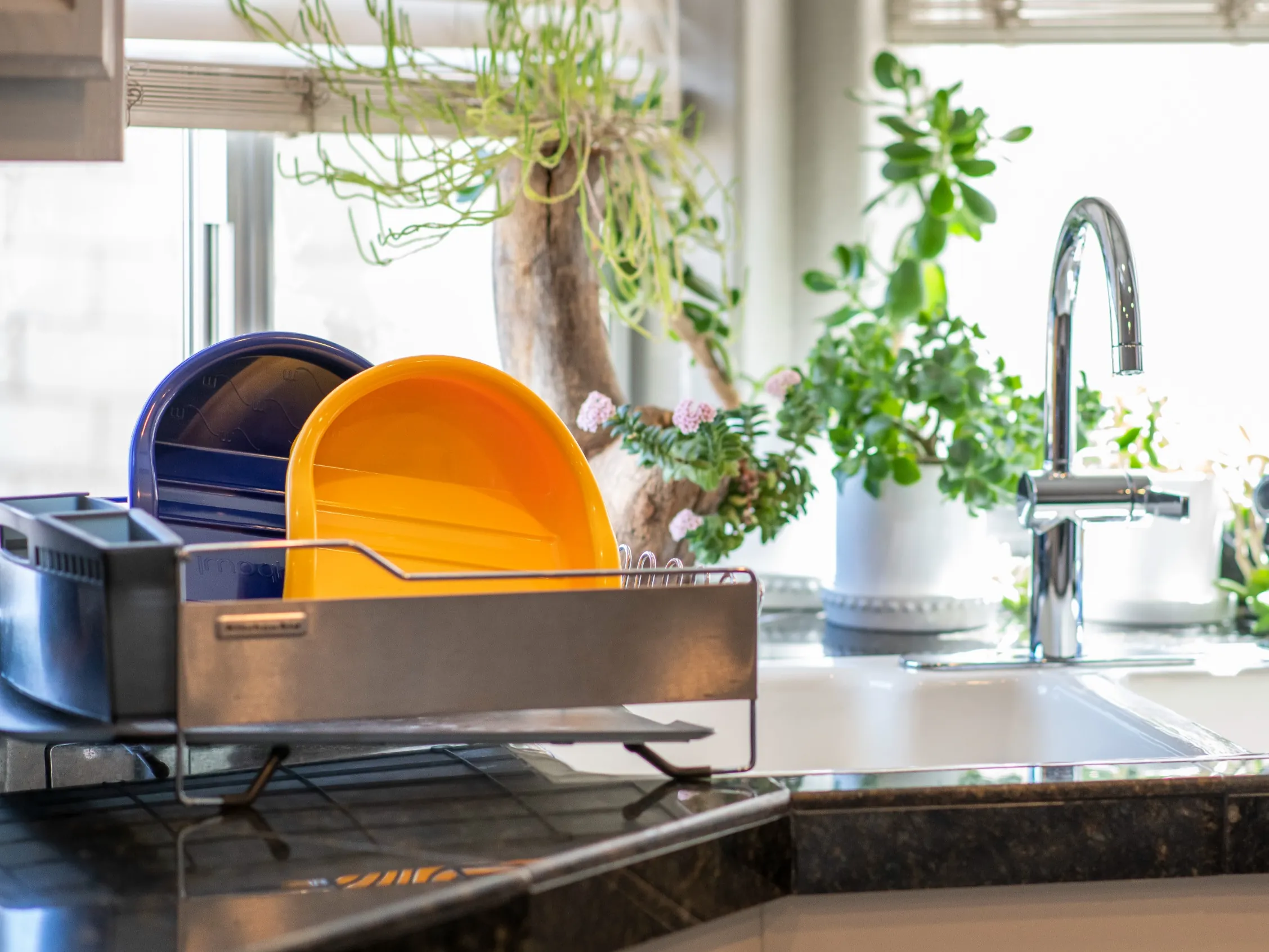
Slow Feeder Bowls for French Bulldogs: What to Look For
A practical guide to deciding whether a slow feeder fits your Frenchie, and how to choose one that keeps food reachable.
Read article
Slow Feeder Bowls for Pugs: What to Look For
A practical way to decide whether a slow feeder suits your Pug, with clear signs to watch during ordinary meals.
Read article
Brachycephalic Dog Bowls: What to Look For
A practical buying guide for Frenchies, Pugs, Bulldogs, and other flat-faced Paw Pals.
Read article
Best Dog Bowls for Pugs: A Practical Buying Guide
What Pug pet parents should look for in a bowl, and why an open, stable feeding surface can make everyday meals easier.
Read article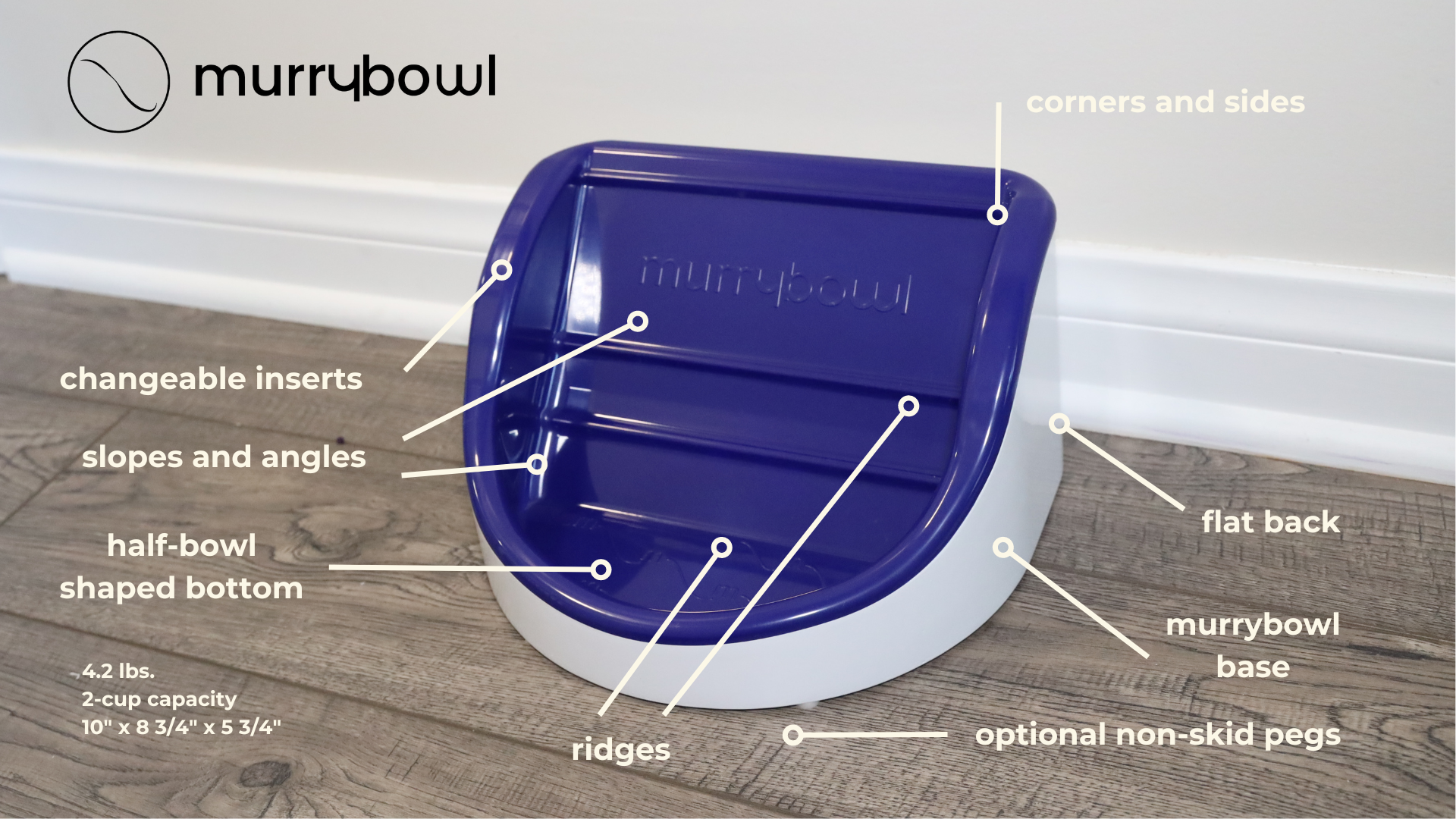
Best Dog Bowls for French Bulldogs: What to Look For
A practical guide to choosing an open, stable, easy-care feeding bowl for a French Bulldog’s everyday meals.
Read article