
Murrybowl journal
Best Water Bowl for French Bulldogs: What to Look For
A practical guide to choosing a clean, stable water bowl for your Frenchie, without turning a simple drink into a complicated setup.

The best water bowl for a French Bulldog is usually the one that keeps fresh water easy to reach, stays settled where your pet drinks, and is simple enough to clean every day. It does not need a dramatic promise. It needs to work for the Frenchie in front of you and the routine you can actually maintain.
Water deserves its own decision. A bowl that works for a measured food portion may not be the best place for drinking, and a clever no-spill design can be more trouble than it is worth if it is difficult to refill or wash. This guide focuses on the practical details that matter: access, stability, capacity, cleaning, and the signs that a drinking concern belongs with your veterinarian instead of a new bowl.
Start with the water routine you already have
Before replacing a bowl, notice what happens during a normal day. Does your Frenchie drink comfortably, or does the bowl slide, tip, collect debris, or leave water everywhere? The goal is not to diagnose every splash. It is to identify a practical problem a bowl can genuinely solve.
- Watch the approach. Your pet should be able to get close to the water without a tall rim, a cramped opening, or an awkward setup getting in the way.
- Look at the floor. A little dribble can be ordinary. A bowl that regularly skates or overturns needs a steadier base or a better spot.
- Check the water itself. Fresh, visible water is easier to monitor than a bowl that sits hidden behind furniture or is difficult to refill.
- Notice the cleanup. If the bowl has so many seams or parts that it rarely gets washed properly, the design is not helping your routine.
The United States Department of Agriculture’s guidance for dogs emphasizes continuous access to potable water and suggests using stable or anchored containers where spilling is a problem. That does not mean every Frenchie needs a special bowl. It is a useful reminder to choose the setup around reliable access, not a marketing claim.

Choose an open, comfortable approach to water
French Bulldogs have short muzzles, but no single water-bowl shape is right for every Frenchie. Avoid treating a bowl as a medical solution or assuming that a raised, tilted, floating, or deep design is automatically better. The more useful question is simple: can your pet drink from it comfortably during an ordinary day?
Begin with an opening that gives your Frenchie room to reach the water and a rim that does not make the bowl hard to use. Very deep bowls can hold a lot of water, but they are not automatically more practical. An oversized bowl can also become harder to lift, empty, and scrub. A smaller, easy-to-refresh bowl may fit a household better if you reliably refill it.
When a design uses a floating plate, a narrow opening, or a spill guard, test it at home before committing. Those features can reduce splashing for some pets, yet they may also make a bowl harder to clean or slow access more than your Frenchie likes. The right water bowl supports drinking. It should never turn a drink into a puzzle.
Prioritize stability on the floor you have
A bowl is only stable in the place where it is used. Tile, wood, laminate, rugs, and feeding mats can all behave differently. Put the empty bowl in your Frenchie’s usual water spot and nudge it from the side. If it slides easily when empty, it may travel even more once your pet leans into it.
Look for a broad footprint and enough weight or balance to suit your floor. A non-slip ring can help, but it is not the whole answer. A bowl can still tip if its base is narrow, its water level is high, or it sits where feet and doors regularly pass by. If the bowl is in a busy area, a protected corner or a simple mat can make a bigger difference than another feature on the bowl itself.
Keep the water station separate from food if that makes the routine calmer and easier to keep clean. Water does not need to live in a matched feeding set. A Frenchie who kicks food or slobber toward a nearby dish may do better with a little space between the two stations.

Pick capacity for fresh water, not the biggest number
A huge bowl is not automatically a better hydration plan. It can be useful in a multi-pet home, during warm weather, or when you are away for a short period, but it also holds water that may sit longer between refreshes. Choose a capacity that fits your household’s routine and lets you see when it needs attention.
The dependable habit is to check water throughout the day, refresh it as needed, and make sure the bowl remains accessible. If you use a fountain or automatic system, treat it as equipment that still needs regular checks, cleaning, and a backup plan. The USDA specifically notes that automatic sources should be checked to make sure they are delivering water properly.
Do not use a bowl change to ignore a meaningful change in drinking. If your Frenchie suddenly drinks much more or much less, seems reluctant to drink, or shows other changes in appetite, energy, vomiting, coughing, gagging, swallowing, or breathing, contact your veterinarian. Those are individual health questions, not evidence that you bought the wrong bowl.
Choose a material and shape you can keep clean
Cleaning is not a glamorous feature, but it is the one that determines whether a water bowl stays pleasant to use. The Centers for Disease Control and Prevention recommends cleaning pet bowls after every wet-food use and daily for dry food and water. The Food and Drug Administration advises washing bowls and scooping tools with soap and hot water after each use. Choose a surface you can actually inspect and clean, especially around any ridges or channels.
Look closely at grooves, threaded parts, hidden wells, rubber rings, and decorative seams. None are automatically bad, but every detail should be reachable during cleaning. If you cannot scrub and rinse the part well, it can become the reason you put off washing the bowl. Smooth stainless steel or ceramic surfaces are often straightforward to inspect, while any material can be a poor choice once it is cracked, badly scratched, or difficult to clean.
Keep a dedicated bowl brush or sponge for pet dishes if that helps your routine. The simple version works: empty the old water, wash the bowl with soap and hot water, rinse it thoroughly, and refill with fresh water. Follow the manufacturer’s care instructions for dishwasher-safe pieces and replace a damaged bowl rather than trying to make a worn surface last forever.
Raised, tilted, and no-spill bowls: keep the decision modest
Special bowl designs can be useful when they solve a clear everyday problem. A no-spill bowl may be worth trying if a Frenchie repeatedly splashes a busy hallway. A raised stand may suit a particular home setup. A wider bowl may be easier to refill and clean. None of those features is a universal requirement, and none should be presented as a treatment for swallowing, breathing, or digestive concerns.
When you compare options, test the claim against your own routine. Does the bowl make water easier to reach? Does it stay in place? Can you clean every part? Does it hold enough fresh water without becoming too heavy or awkward? If the answer is no, a plain, well-made bowl may be the better choice.
That careful approach is especially helpful for flat-faced pets, where broad marketing claims can sound more certain than they are. A bowl can make a drinking station more manageable. It cannot diagnose a health issue, guarantee a particular outcome, or replace advice from the veterinarian who knows your pet.
Set up a water station your Frenchie can use every day
- Choose the usual spot. Keep water where your Frenchie can reach it reliably and where the bowl will not be bumped by traffic.
- Fill it with fresh water. Use a level that is practical for the bowl and your pet, without filling it so high that every drink creates a spill.
- Watch one ordinary drink. Look for easy access, a bowl that remains settled, and water that stays available.
- Refresh and clean consistently. Make the bowl part of the daily routine, not a once-in-a-while reset.
If you use more than one water station, give each one the same attention. A second bowl can be useful in a larger home, but only if it is also kept clean and refreshed. Multiple bowls are not a substitute for noticing when a pet’s drinking pattern changes.
How Murrybowl fits the wider feeding routine
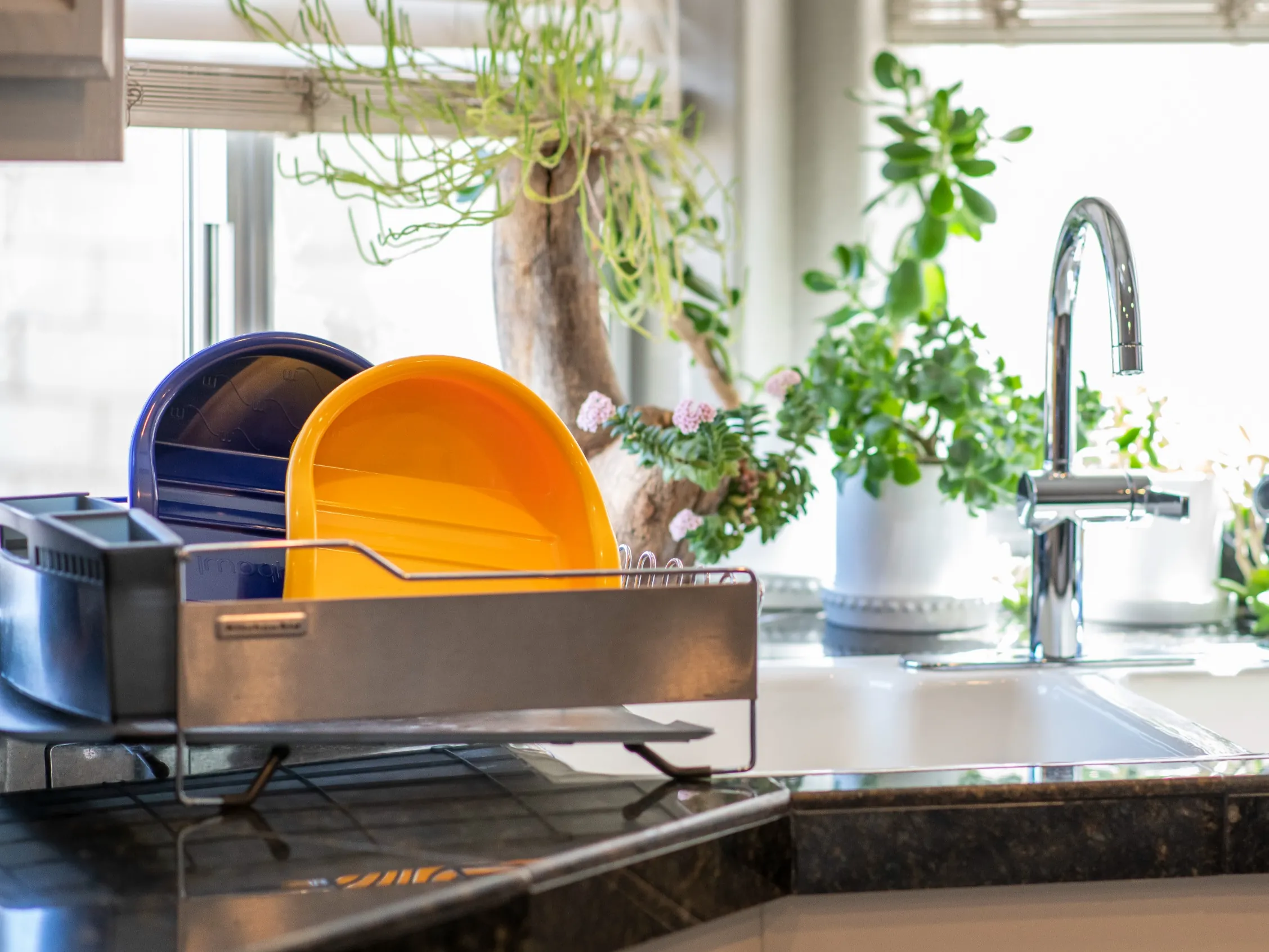
Murrybowl is designed as an open food-feeding surface for small and medium flat-faced pets, not as a water bowl or a hydration device. That distinction is important. Its slopes, spoon-like angles, fork-like ridges, texture, stable 4.12-pound base, and two dishwasher-safe inserts are intended to support ordinary food meals and easier cleanup.
For pet parents reviewing the whole feeding area, it can make sense to choose a simple dedicated water bowl alongside a food setup that keeps a measured meal approachable. Explore the Murrybowl design, the Original Murrybowl, and the 30-day satisfaction guarantee to decide whether the food-feeding side of the routine fits your Paw Pal.
The best water bowl for your French Bulldog is not the most complicated one. It is clean, accessible, steady, and easy enough to keep fresh day after day.
Frequently asked questions
What type of water bowl is best for a French Bulldog?
Start with a clean, stable bowl that your Frenchie can approach comfortably and that holds enough fresh water for the routine you keep. The best shape and material depend on your pet, your floor, and how easily you can wash and refill it.
Should a French Bulldog use a raised water bowl?
Not automatically. Some pet parents prefer a raised option, while a floor-level bowl works well for many pets. A water bowl should not be treated as a medical solution. If you have concerns about drinking, swallowing, regurgitation, or breathing, ask your veterinarian for individual guidance.
How often should I clean my Frenchie’s water bowl?
Fresh water should be checked and refreshed regularly. The CDC recommends cleaning pet water bowls daily, and the FDA advises washing bowls with soap and hot water after use. Follow the maker’s care instructions for the bowl you choose.
What if my Frenchie suddenly drinks much more or much less water?
A sudden change in drinking is not a bowl-shopping problem. Keep fresh water available and contact your veterinarian for advice, especially if the change comes with other symptoms or a change in appetite or behavior.
Related posts
Slow Feeder Bowls for French Bulldogs: What to Look For
A practical guide to deciding whether a slow feeder fits your Frenchie, and how to choose one that keeps food reachable.
Read articleSlow Feeder Bowls for Pugs: What to Look For
A practical way to decide whether a slow feeder suits your Pug, with clear signs to watch during ordinary meals.
Read article
Brachycephalic Dog Bowls: What to Look For
A practical buying guide for Frenchies, Pugs, Bulldogs, and other flat-faced Paw Pals.
Read article
Best Dog Bowls for Pugs: A Practical Buying Guide
What Pug pet parents should look for in a bowl, and why an open, stable feeding surface can make everyday meals easier.
Read article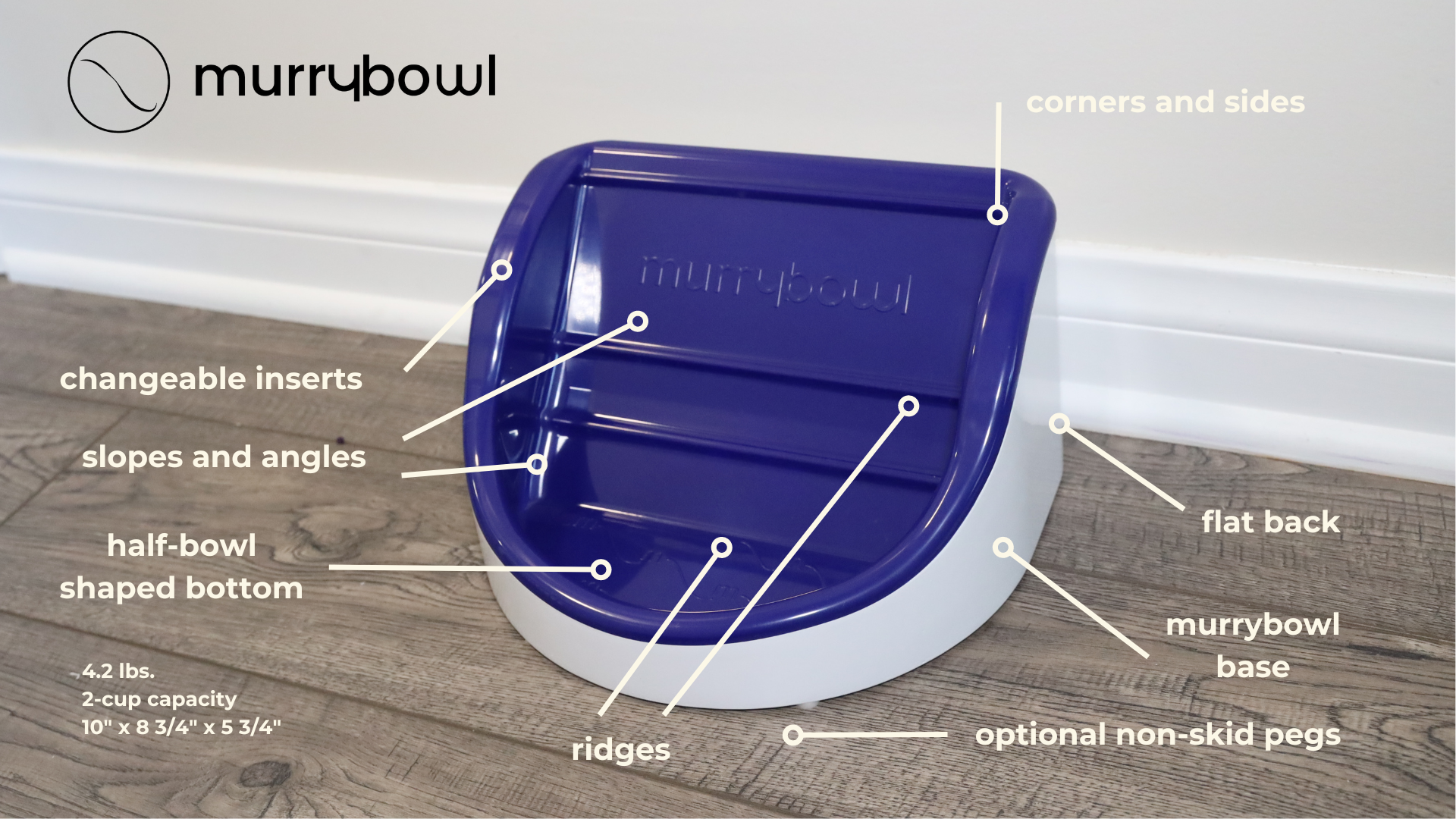
Best Dog Bowls for French Bulldogs: What to Look For
A practical guide to choosing an open, stable, easy-care feeding bowl for a French Bulldog’s everyday meals.
Read article