
Murrybowl journal
Slow Feeder Bowls for French Bulldogs: What to Look For
A practical guide to deciding whether a slow feeder fits your Frenchie, and how to choose one that keeps food reachable.
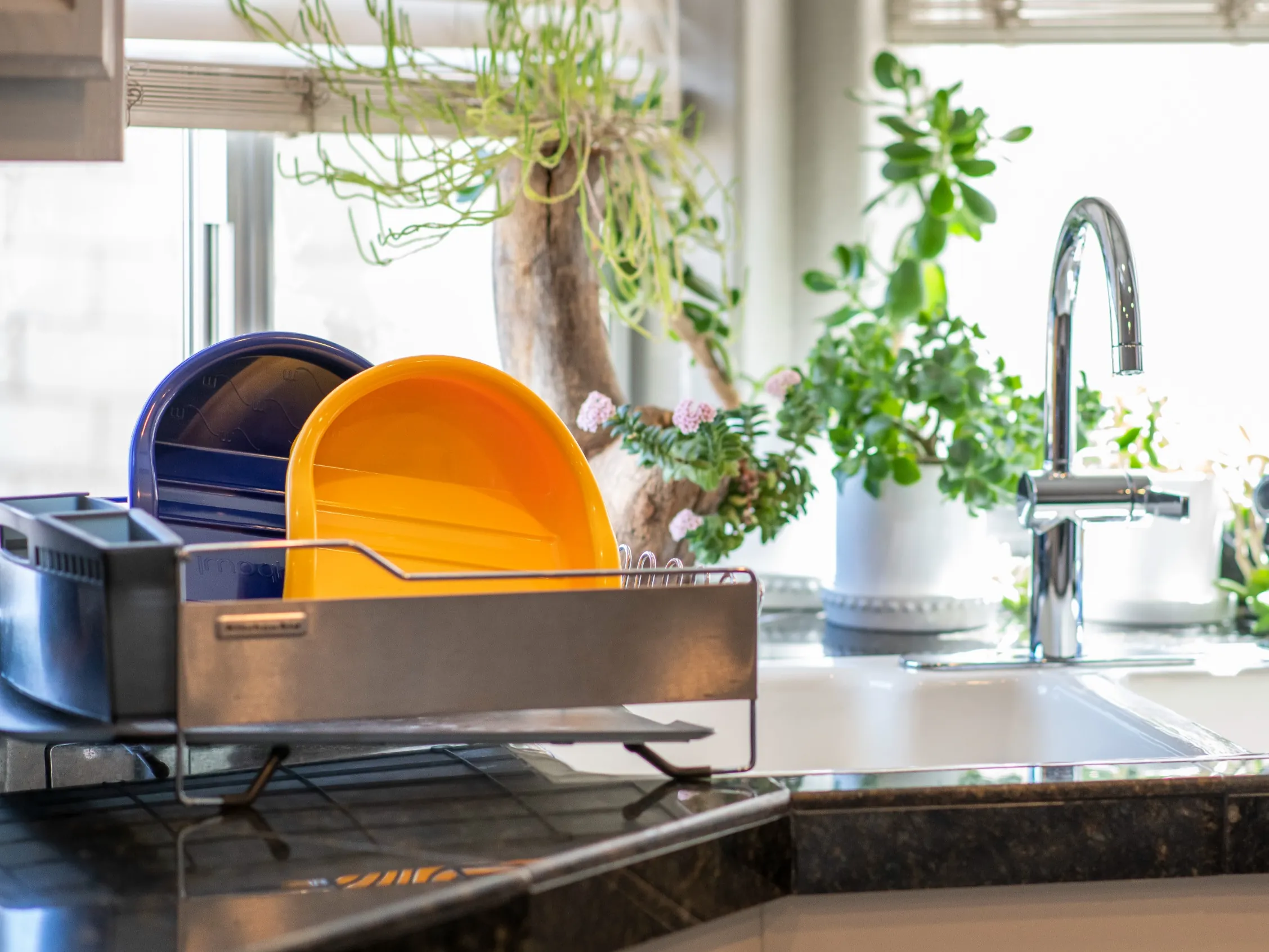
A slow feeder can be a useful option for a French Bulldog who finishes a normal meal in seconds, but only when the pattern still lets that short muzzle reach the food. The goal is not to make dinner difficult. It is to make a familiar meal a little more deliberate while keeping food approachable, the bowl steady, and cleanup realistic.
Frenchies are individuals. Some eat quickly and neatly from a simple dish. Others benefit from a little more work built into the feeding surface. Before buying a maze, watch one ordinary meal. If your pet gulps, sends food across the floor, or pushes a lightweight bowl around, those are useful clues. If they already eat comfortably, a slow feeder may add more complication than value.
First, decide whether your Frenchie needs a slow feeder
Fast eating is a behavior worth noticing, not a diagnosis. A slow feeder can give some pets a more measured way to work through kibble or wet food, but it is not automatically the best answer to every rushed dinner. Begin with what you can observe at home, using the food, portion, and feeding spot your Frenchie already knows.
- Look at the pace. Does your pet finish a usual portion almost immediately, or do they already pause naturally?
- Watch the access. Can they gather food from the bowl without repeated backing up, scraping their face against high walls, or abandoning pieces in tight corners?
- Check the floor. A dish that skates, spins, or tips turns an eager meal into a chase.
- Keep the whole routine in view. A feeding tool is only useful if you can wash it thoroughly and use it consistently.
If there is no repeated problem, a simple open bowl may be the better choice. Measured portions and a consistent routine can be more useful than adding a puzzle simply because it is marketed as clever. If your Frenchie regularly coughs, gags, regurgitates, vomits, struggles to swallow, or has breathing changes around meals, contact your veterinarian. A bowl cannot diagnose or treat those concerns.

What makes a slow-feeder pattern Frenchie-friendly?
For a short-muzzled pet, the useful question is not whether a bowl is called a slow feeder. It is whether the food remains reachable. Very tall pegs, narrow honeycomb cells, and deep, winding channels may slow a meal by making food harder to get, which is not the same thing as offering a workable feeding surface.
Look for low, rounded contours and open routes that your Frenchie can lick or nudge through without forcing their face into a deep interior. Food should remain visible enough to locate, and the pattern should leave enough room for the usual portion. A design that looks easy from above can still be too tight once food settles around the ridges, so the first few meals matter more than a product photo.
A peer-reviewed veterinary nursing article on nutrition for brachycephalic dogs notes that breed-specific bowls may promote chewing and slower eating. That is useful context, not a universal promise. Your own pet’s comfort and ability to finish a normal meal are the practical test.
Low and open beats deep and complicated
A useful slow feeder creates a little separation between bites without turning the bowl into a maze. For a Frenchie, favor an open shape with shallow places for food to gather over tall barriers that ask your pet to work around the same inaccessible corner again and again. The pattern should support the meal, not become the whole event.
Try the empty-bowl test before serving food. Run your fingers through the channels. Can you reach every part without effort? Are there sharp seams, narrow dead ends, or a center well that will be difficult to scrub? Those same details can make a bowl harder for a short muzzle to use and harder for a pet parent to clean.
Food type matters too. Dry kibble can scatter into small routes, while wet food may spread over a flatter pattern. If you feed both, choose a surface that remains practical for both, rather than assuming one dramatic pattern suits every meal. Keep the first trial simple, with your Frenchie’s regular food and measured portion.
Do not judge the fit from the first minute alone. Some pets need a little time to understand a new surface, but the adjustment should remain calm and achievable. Over several meals, you are looking for a routine that feels more orderly, not for a dramatic performance. If access gets worse or cleanup becomes fussy, that is useful information, not a failure.
Stability matters as much as the pattern
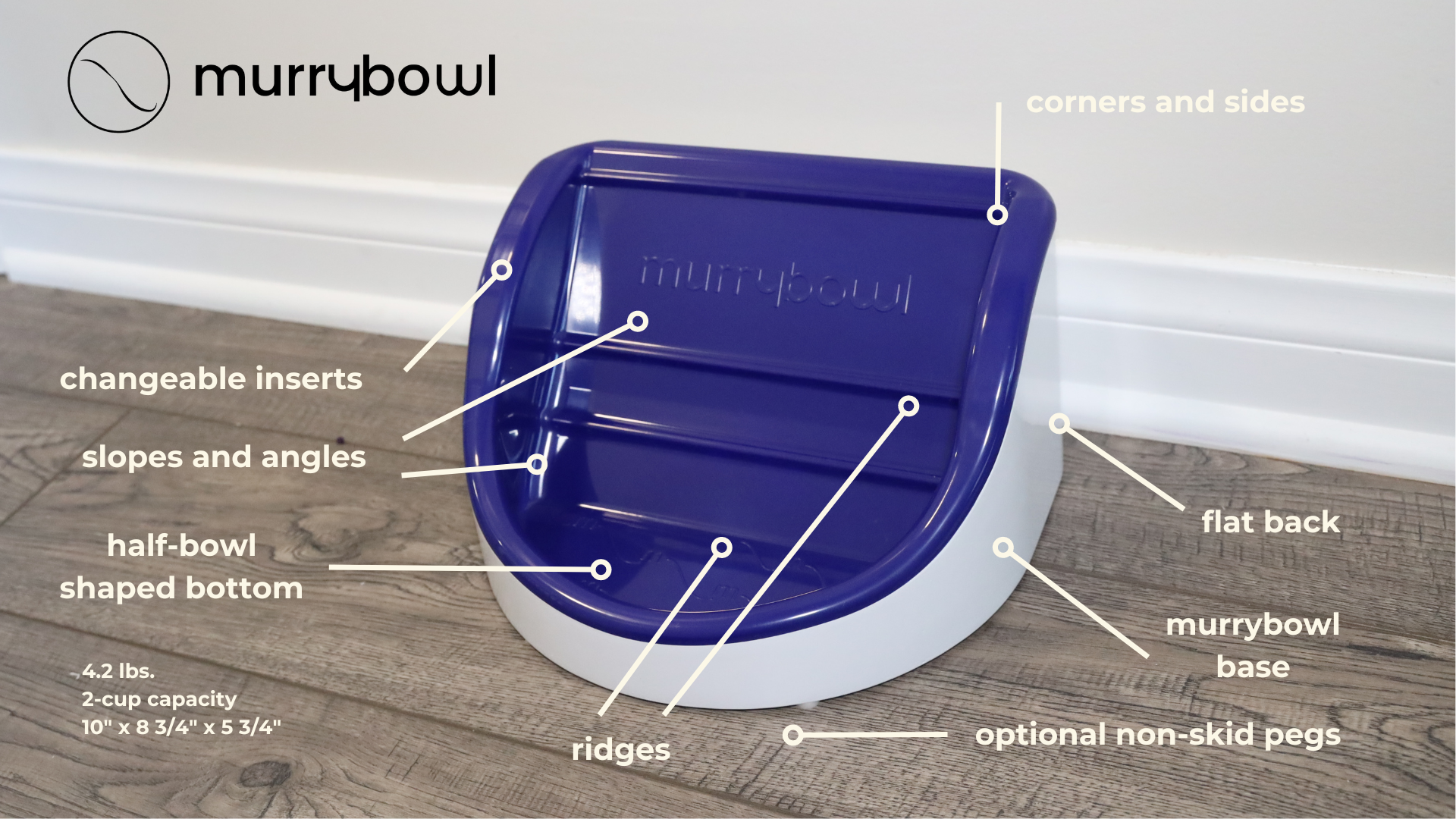
Even a thoughtful feeding surface is frustrating if it moves. Frenchies can lean into a meal with enthusiasm, so place the bowl on the floor where your pet normally eats and press it lightly from several directions. If it slides before dinner begins, it may be doing more skating once food is added.
Look for a broad footprint, a balanced base, and a design that suits the surface in your home. A grip ring or suction detail can help on some floors, but it should not be the only source of stability. The bowl also needs enough weight or balance to remain settled through a normal meal.
Murrybowl takes a simpler, open approach than a maze: its patented slopes, spoon-like angles, fork-like ridges, and texture create places for food to gather without adding a deep labyrinth. Its 4.12-pound base and flat exterior back are designed to help it stay settled against a wall or cabinet. It is a food bowl, not a medical device, and it is built for small and medium flat-faced pets, including French Bulldogs.
Match capacity to the meal you actually serve
Do not choose by a vague size label alone. Begin with the measured portion your Frenchie normally eats. A bowl needs enough room for that meal without turning food into a thin layer spread far from your pet, but it should not force food into distant corners just because the bowl is oversized.
Use the same food, portion, and location when you test a new bowl. Changing food, routine, and feeding surface all at once makes it hard to know what helped. A familiar meal gives you a fairer view of the bowl’s actual contribution: whether food remains reachable, the bowl stays put, and the routine feels easier to reset.
Murrybowl holds up to two cups and can be used with wet food, dry food, or a combination. Pet parents can use the Murrybowl welcome guide to keep the first few meals straightforward and use the Original Murrybowl page for the full product details.
Make cleaning part of the buying decision
A bowl that is difficult to wash can become a poor fit even if the feeding pattern looks promising. The Centers for Disease Control and Prevention recommends cleaning pet bowls after every wet-food use and daily for dry food and water. The Food and Drug Administration advises washing bowls and scooping tools with soap and hot water after each use. Choose a surface you can actually inspect and clean, especially around any ridges or channels.
That is one reason to be wary of very intricate designs. A pattern can be shallow enough for your pet yet still have tight seams that trap food and add a difficult cleanup step. Dishwasher-safe parts can make a routine easier, but only follow the maker’s care instructions. Murrybowl includes two removable dishwasher-safe inserts, so one can be washed while another is ready for the next meal.
Introduce a slow feeder in four calm steps
- Keep the meal familiar. Use regular food, the normal portion, and your Frenchie’s usual spot.
- Start with an easy serving. Spread a small familiar portion through the most open areas first, rather than packing food into every channel.
- Watch quietly. Look for food that stays reachable, a settled bowl, and a pet who can finish without clear frustration.
- Assess after several meals. Notice the pace, food left behind, the floor around the bowl, and whether cleaning remains simple enough to repeat.
Stop and reassess if your Frenchie repeatedly paws at the bowl, flips it, walks away from food they normally enjoy, or cannot reach a normal portion comfortably. An easier pattern or a plain open bowl can be the better fit. The point is a more manageable routine, not a longer or more difficult meal at any cost.
When a slow feeder is not the right answer
It is completely reasonable to choose a plain feeding surface. A Frenchie who eats a measured meal at a comfortable pace, can reach every bite, and leaves the bowl and floor reasonably tidy may not need a patterned insert at all. More texture is not automatically more thoughtful. The best feeding setup is the one that fits the pet in front of you.
A slow feeder is also not a substitute for changing a feeding plan with professional guidance. A sudden appetite change, repeated digestive signs, discomfort around the bowl, or a concern about breathing needs individual veterinary advice. Keep the decision small and practical: choose a bowl for access, stability, portion fit, and cleanup. Leave diagnosis and treatment to your veterinarian.
For a pet who does not need a maze, a broad, stable, easy-to-clean surface can still improve the everyday routine. The same test applies: serve one familiar meal, watch the approach and what remains, then choose the setup that makes the next meal feel simpler for both of you.
How Murrybowl fits the decision
Murrybowl is not a conventional maze slow feeder. It is an open, floor-level feeding surface designed around slopes, ridges, angles, and texture that give food several accessible places to gather. That makes it a practical option for pet parents who want to move away from a deep bowl or a complicated maze while keeping the meal approachable.
Before deciding, compare your Frenchie’s ordinary meal with what the bowl offers: an open approach, a stable 4.12-pound base, two dishwasher-safe inserts, capacity up to two cups, and a 30-day satisfaction guarantee. The French Bulldog bowl guide explains the same choice in more detail, and the shipping and returns page covers the guarantee before you buy.
The best choice is not the bowl with the biggest promise. It is the one that lets your Frenchie approach a familiar meal comfortably, keeps food within reach, stays settled in the usual spot, and fits the cleaning routine you can keep.
Frequently asked questions
Are slow feeder bowls good for French Bulldogs?
They can be useful for a Frenchie that rushes through ordinary meals, provided the pattern still leaves food easy to reach. Start with a low, open design and watch a familiar meal. If your pet cannot comfortably finish, paws at the bowl, or seems frustrated, choose a simpler feeding surface.
What type of slow feeder is easiest for a French Bulldog to use?
Look for low, rounded routes to the food instead of tall pegs, narrow wells, or a deep maze. A stable base, the right capacity for the portion you serve, and a surface you can clean well matter just as much as the feeding pattern.
How do I introduce a slow feeder to my Frenchie?
Use your Frenchie’s usual food, portion, and feeding place for the first few meals. Begin with an easy pattern and a small familiar serving, then quietly watch whether food remains reachable and the bowl stays settled.
Will a slow feeder fix vomiting, gagging, or breathing concerns?
No. A slow feeder is an everyday feeding tool, not a medical treatment. Repeated vomiting, regurgitation, coughing, gagging, trouble swallowing, breathing changes, or a sudden change in appetite should be discussed with your veterinarian.
Related posts

Slow Feeder Bowls for Pugs: What to Look For
A practical way to decide whether a slow feeder suits your Pug, with clear signs to watch during ordinary meals.
Read article
Brachycephalic Dog Bowls: What to Look For
A practical buying guide for Frenchies, Pugs, Bulldogs, and other flat-faced Paw Pals.
Read article
Best Dog Bowls for Pugs: A Practical Buying Guide
What Pug pet parents should look for in a bowl, and why an open, stable feeding surface can make everyday meals easier.
Read articleBest Dog Bowls for French Bulldogs: What to Look For
A practical guide to choosing an open, stable, easy-care feeding bowl for a French Bulldog’s everyday meals.
Read article